
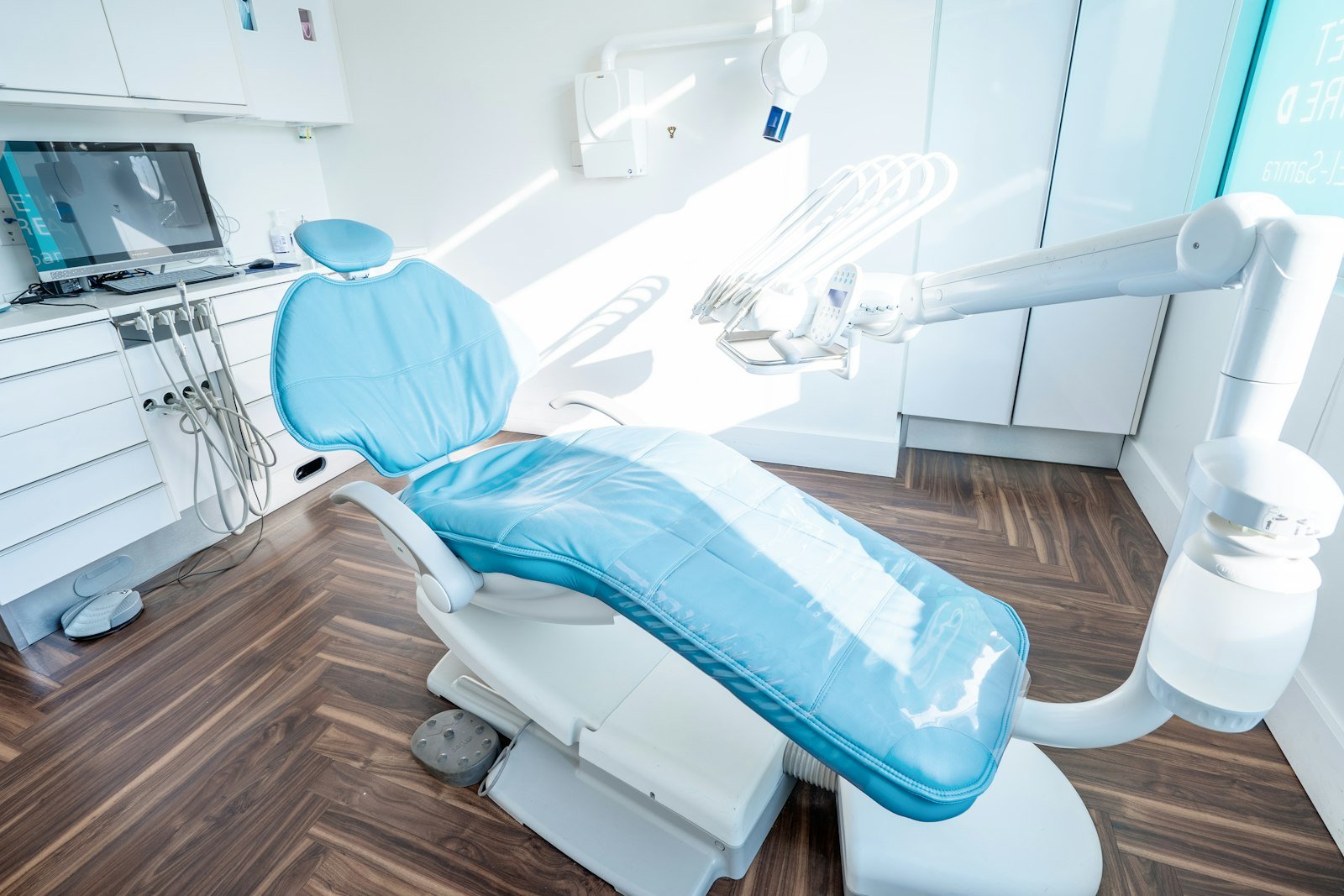
Dental problems keep inconvenient hours
A tooth starts throbbing during dinner. A crown loosens the morning of a big meeting. A child falls on the playground on a Saturday and comes up with a front tooth in pieces. The hard part is rarely knowing that something is wrong; it is knowing how urgently to act.
A dental emergency, broadly, is significant pain, infection, bleeding that will not stop, or an injury that threatens a tooth or the tissues around it. Plenty of other problems are not emergencies in that sense but still deserve a prompt call, because a dental team can judge the timing better than a search engine can. Our hours run 7 AM to 8 PM on weekdays and 8 AM to 1 PM on weekends, so most urgent problems in West Alexandria can be seen the same day.
Call a dentist promptly if you have
- Severe, persistent or worsening tooth pain, especially pain that throbs on its own or wakes you.
- Swelling of the gum, face or jaw.
- A painful bump on the gum, drainage, or a bad taste, which can signal an abscess.
- A broken, cracked, loosened or knocked-out tooth.
- Bleeding from the mouth that is hard to control.
- Trauma to the teeth, gums or jaw, even if nothing looks broken.
- A lost filling or crown that hurts or leaves a sharp edge.
- Significant pain or swelling after a recent dental procedure.
- Difficulty opening your mouth, with pain or swelling.
Why the symptom alone does not tell you the cause
The same throbbing pain can come from deep decay, a cracked tooth, gum inflammation or an infection at the root. A dentist needs to examine the tooth and often take an X-ray before saying what it is and what to do. That is why we ask you to call and describe what is happening rather than guess. Whoever answers will tell you how soon to come in and what to do until then.
If a tooth is knocked out
An adult tooth is time-sensitive. Minutes matter.
Pick it up by the crown
The part normally visible in the mouth. Do not touch the root.
Rinse gently if dirty
A few seconds in milk, saline or water. Do not scrub, and do not remove any tissue attached to the root.
Put it back, if you can
Place the tooth back in its socket without forcing it, and bite gently on a clean cloth to hold it.
Otherwise keep it moist
In milk, or a tooth-preservation product if you have one. Do not let it dry out, and do not wrap it in tissue.
Get to a dentist immediately
Within the hour gives the best chance. Outside our hours, go to the nearest emergency room with the tooth.
Baby teeth are the exception
Never put a knocked-out baby tooth back; it can damage the adult tooth developing underneath. Call for guidance and an evaluation. More detail on our knocked-out tooth page.
What you can safely do for pain, swelling or a broken tooth
For a toothache, rinse gently with warm water and floss carefully in case food is trapped between the teeth. Do not place aspirin or any tablet against the tooth or gum; it burns the soft tissue. A cold compress on the outside of the face helps after an injury or with localized swelling.
If a tooth breaks, collect any pieces you can find and bring them. Avoid biting on that side. Cover a sharp edge with orthodontic wax or sugar-free gum until you are seen.
Over-the-counter pain medicine is reasonable for many people when taken exactly as labeled, but it is not safe for everyone. Think about your medical conditions, allergies, pregnancy and other medications, and ask a pharmacist or physician if unsure. Pain relief eases the symptom; it does not treat the cause, and a toothache that fades on its own is often a dying nerve rather than a recovery.
What happens at an emergency dental visit
The first goal is to understand the problem and remove the immediate risk. Expect a review of your symptoms and medical history, a focused examination, and imaging where it helps; the X-ray comes up on the screen beside you. Depending on what we find, the visit may involve stabilizing a tooth, draining and treating infection, repairing damaged tooth structure, or placing a temporary while a lasting repair is planned.
An emergency visit does not automatically mean an extraction or a major procedure. The right recommendation depends on the tooth, the surrounding tissues, the extent of damage and your overall health, and we lay the options out with the cost before anything is decided. Extended weekday and weekend hours give patients in West Alexandria, Seminary Hill, Fairlington and Shirlington more chances to reach a dental team quickly, and new patients are welcome for emergencies.
A note about online dental information
This article is educational and cannot diagnose a condition or replace an examination. Recommendations depend on your symptoms, health history and clinical findings. Further reading: the American Dental Association's guidance on dental emergencies.
Quick answers
Is every toothache an emergency?
Not necessarily, but severe, persistent or worsening pain should be evaluated promptly. Call even if you are unsure; describing the pattern of the pain helps us judge how soon you need to be seen.
Can antibiotics fix a dental infection?
Antibiotics may be appropriate in certain cases, but they do not replace treatment of the source. Bacteria inside a tooth are out of reach of antibiotics, so an abscess returns once the course ends. A dentist must evaluate and treat the tooth.
What if it happens at night or on a weekend afternoon?
Use the home steps above, book the first available slot online, which never closes, and call us when we open at 7 AM on weekdays or 8 AM on weekends. Most urgent problems are seen within hours of opening.